
ostrabet PH Login | Jueteng: Exploring the Complex Tapestry of Illegal Gambling in the Philippines
ostrabet PH Login’s An in-depth exploration of jueteng, the illegal numbers game in the Philippines, analyzing its economic, political, and cultural implications, along with modern challenges and debates on potential regulation.
Understanding Jueteng and its Impact on Philippine Society
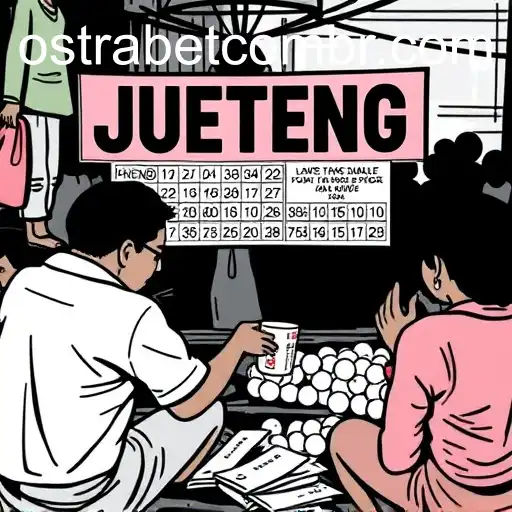
Jueteng is an illegal numbers game that has been deeply rooted in the culture of the Philippines for decades. Despite numerous efforts by the government to eradicate it, jueteng remains an underground staple, primarily due to its simple rules and the promise of quick rewards for its players. The game has evolved over time, impacting various aspects of society, including economics, politics, and even the Filipino psyche.
The Mechanics and Appeal of Jueteng
The basic premise of jueteng involves players betting on a combination of two numbers, ranging from 1 to 38. Once bets are placed, a drawing is conducted where two winning numbers are picked from a set of 38 balls. The simplicity of the game, coupled with the allure of winning substantial amounts of money from small stakes, makes jueteng especially appealing to the masses. Additionally, its accessibility—facilitated by bet collectors known as 'kubradores'—ensures that it reaches even the most remote barangays.
Economic Implications
Economically, jueteng operates in a paradoxical space. On one hand, it provides employment opportunities for thousands, from bet collectors to financiers known as 'cabos' and 'alaga.' On the other hand, because it is illegal, proceeds from jueteng do not contribute to governmental revenues in the form of taxes, leading to lost potential for funding public services and development projects.
Furthermore, the promise of easy money through jueteng can sometimes discourage individual participation in more sustainable economic activities. With many Filipinos dreaming of striking it rich, the game can divert attention and resources away from community development and legitimate entrepreneurial pursuits.
Political Connections
The political landscape in the Philippines has been significantly influenced by jueteng. Allegations of corruption linked to jueteng have surfaced in various administrations, encompassing governors, congressmen, and even police officers. Pay-offs from jueteng operators to politicians and law enforcers have created intricate networks that shield the illegal activity from prosecution, further embedding it within the governmental system.
Past senatorial and presidential campaigns have been tainted by accusations of receiving jueteng money, with candidates purportedly using these funds to finance their bids for power. This intertwining of gambling with governance raises questions about accountability and integrity within the political sphere.
Cultural and Social Considerations
Beyond its economic and political ramifications, jueteng plays a complex role in Filipino culture and society. For many, it is not just a game of chance but part of their social fabric, linked to communal identity and socialization. The game’s presence is often a reflection of the socio-economic challenges faced by various communities, where people turn to jueteng out of financial desperation or as an escape from their daily struggles.
The normalization of jueteng within communities has also generated discourse on morality and legality. While some view it as a harmless pastime, others perceive it as a symbol of corruption and illegality, advocating for its eradication or regulation. This dichotomy adds to the complexity of addressing the interplay between culture, law, and morality.
Efforts and Challenges in Combating Jueteng
The Philippine government has made multiple attempts to curb the proliferation of jueteng. These have included national crackdowns, the establishment of legal alternatives like the Philippine Charity Sweepstakes Office's (PCSO) Small Town Lottery (STL), and the involvement of religious and civic groups in awareness campaigns.
However, these efforts have faced considerable challenges. The deeply ingrained nature of jueteng in rural and urban areas alike means that eradication is neither simple nor swift. Corruption among officials further complicates crackdowns, creating a cycle of enforcement and evasion.
Integration of Technology and New Challenges
In recent years, technology has introduced new dimensions to the jueteng landscape. The advent of mobile platforms and online betting has expanded the reach of illegal gambling, complicating enforcement efforts. An example is the increased interest in keyword searches like "ostrabet PH Login," indicating a shift towards digital gambling solutions.
This technological integration poses both threats and opportunities. While it offers convenience to users, it also opens new avenues for law enforcement to track and potentially regulate these activities. As players migrate online, authorities may need to adapt their strategies to safeguard against digital jueteng operations.
A Way Forward
The continuing presence of jueteng underscores the need for innovative and multifaceted approaches. Legalization and regulation are among the proposed solutions, which could transform jueteng from an underground activity to a legitimate economic enterprise. Advocates argue that regulation could lead to safer gambling environments, generate government revenue, and help mitigate the negative societal impacts linked with illegal operations.
Conversely, opponents of legalization warn that it might exacerbate gambling addiction and normalize risky behavior. Thus, any approach to addressing jueteng must be carefully considered, taking into account the socio-economic realities of Filipino communities and the diverse perspectives that exist on the issue.
